28th & Blake
Project
Projects
Greeley, Colorado
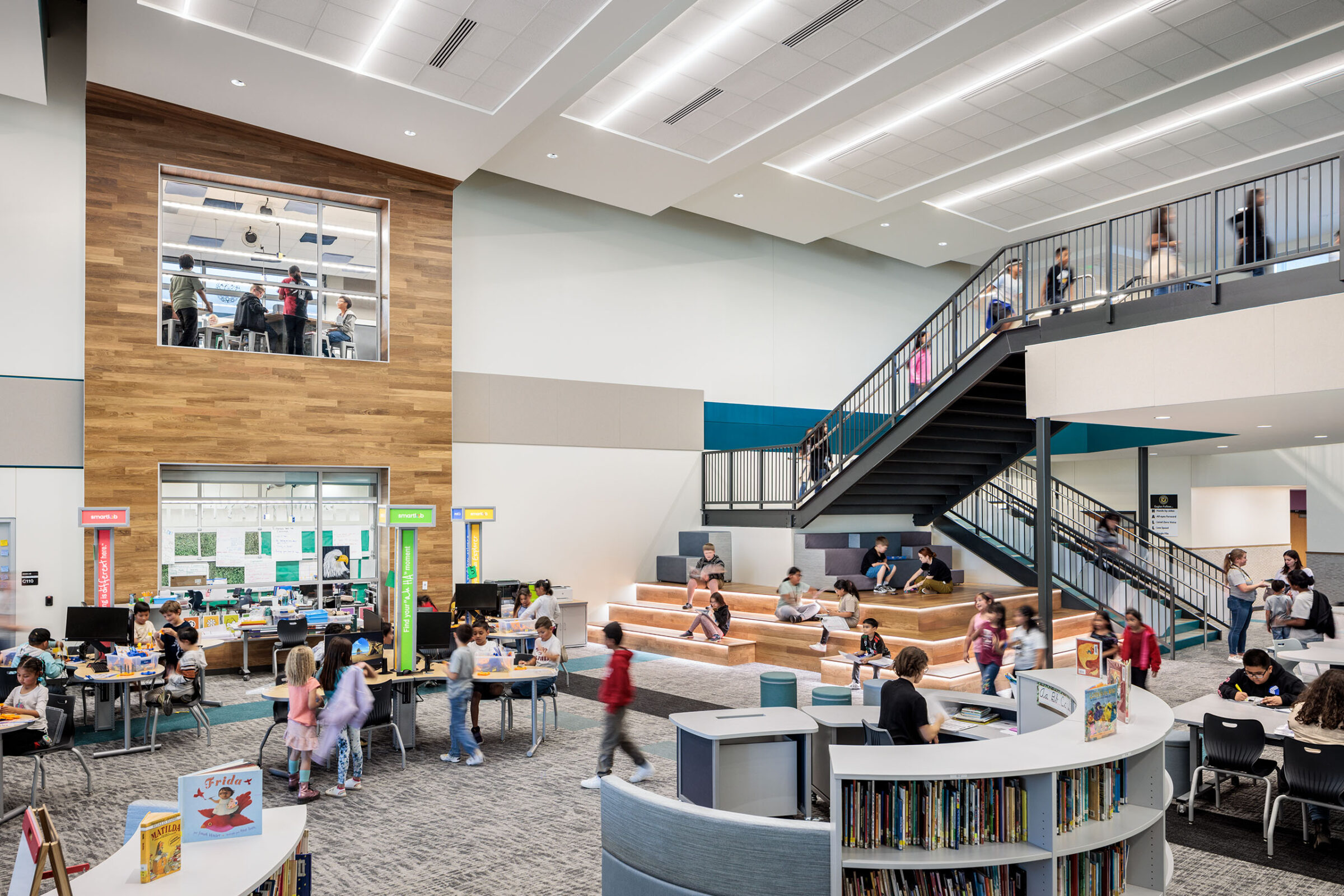
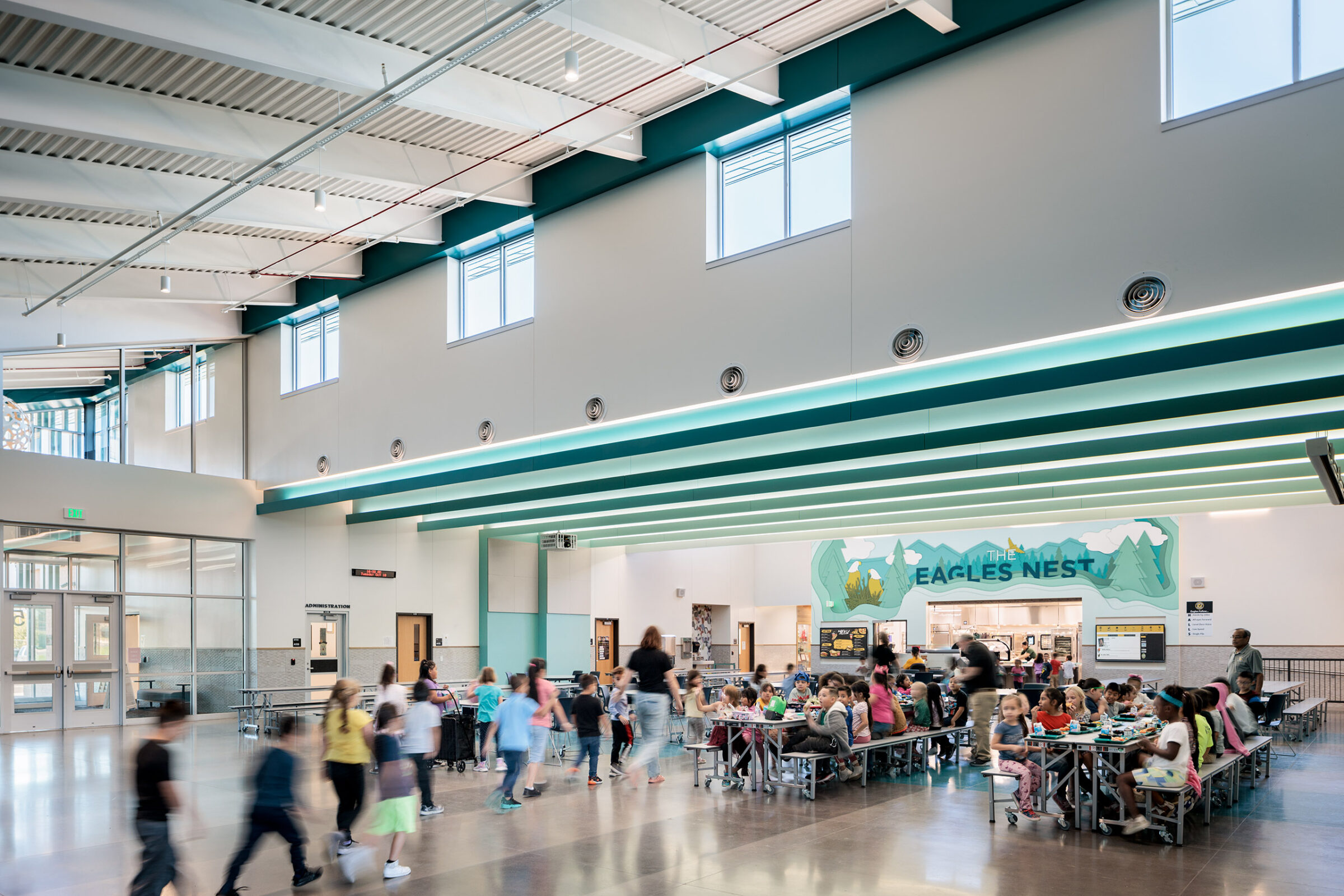
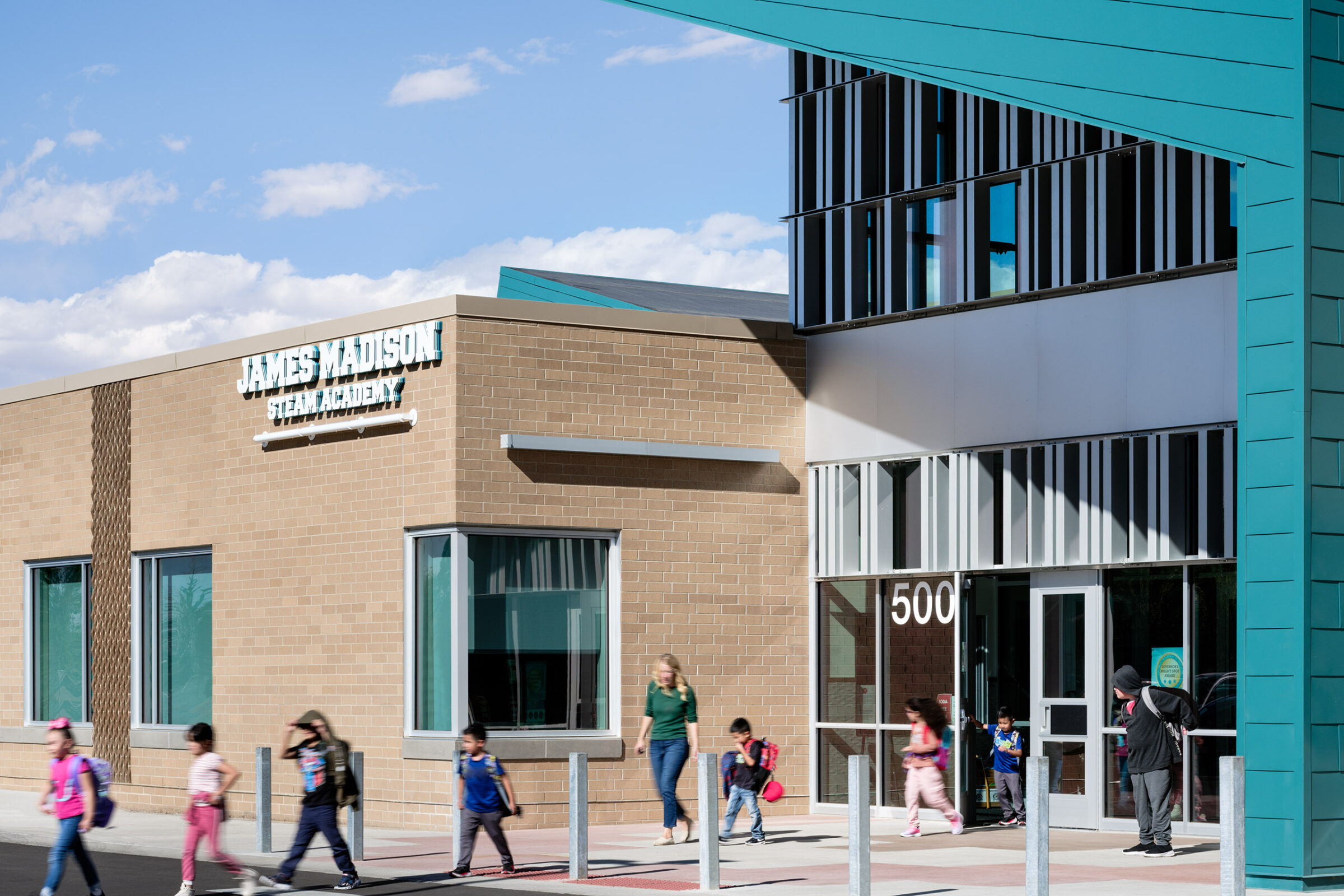
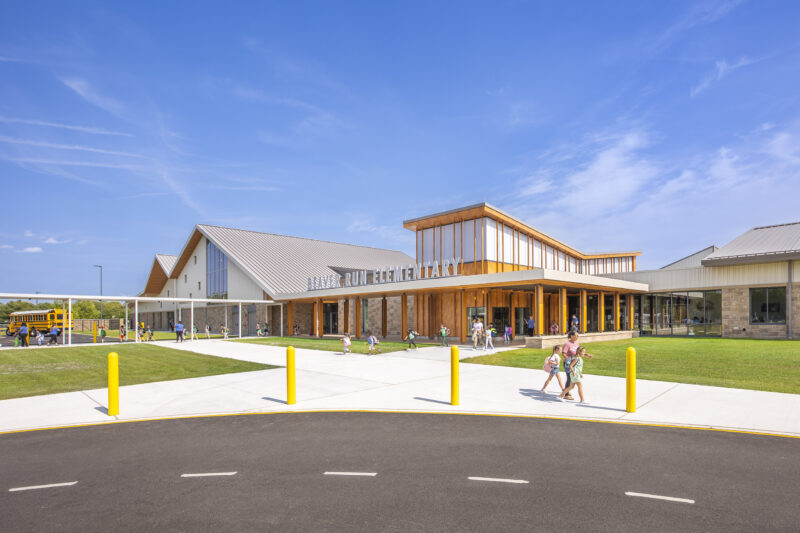
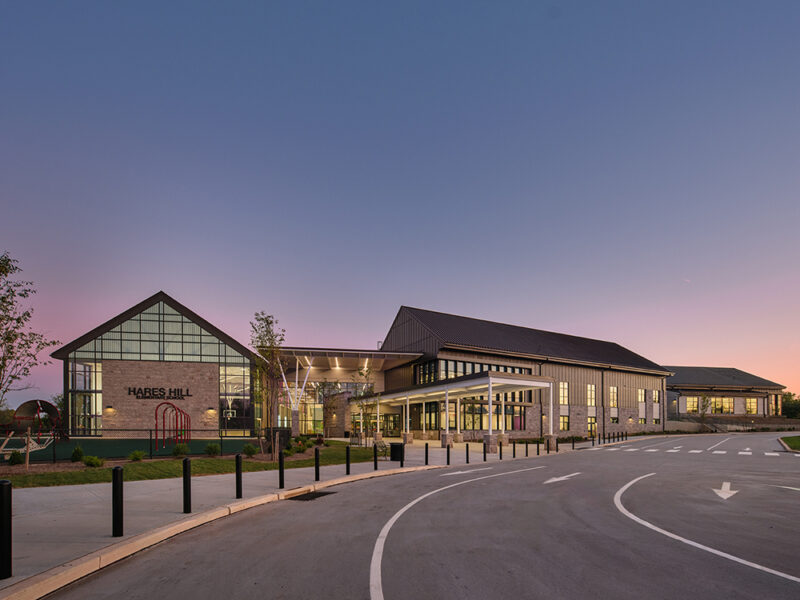
James Madison PK-8 STEAM Academy replaces the previous elementary school on the same site and is designed around the concept of being a good neighbor. The new school entry honors the neighborhood and is visible from the streets along the west and south sides of the campus. This configuration allows the play fields to have a stronger connection to the surrounding Houston Gardens, Boys & Girls Club, and the adjacent walking trails.
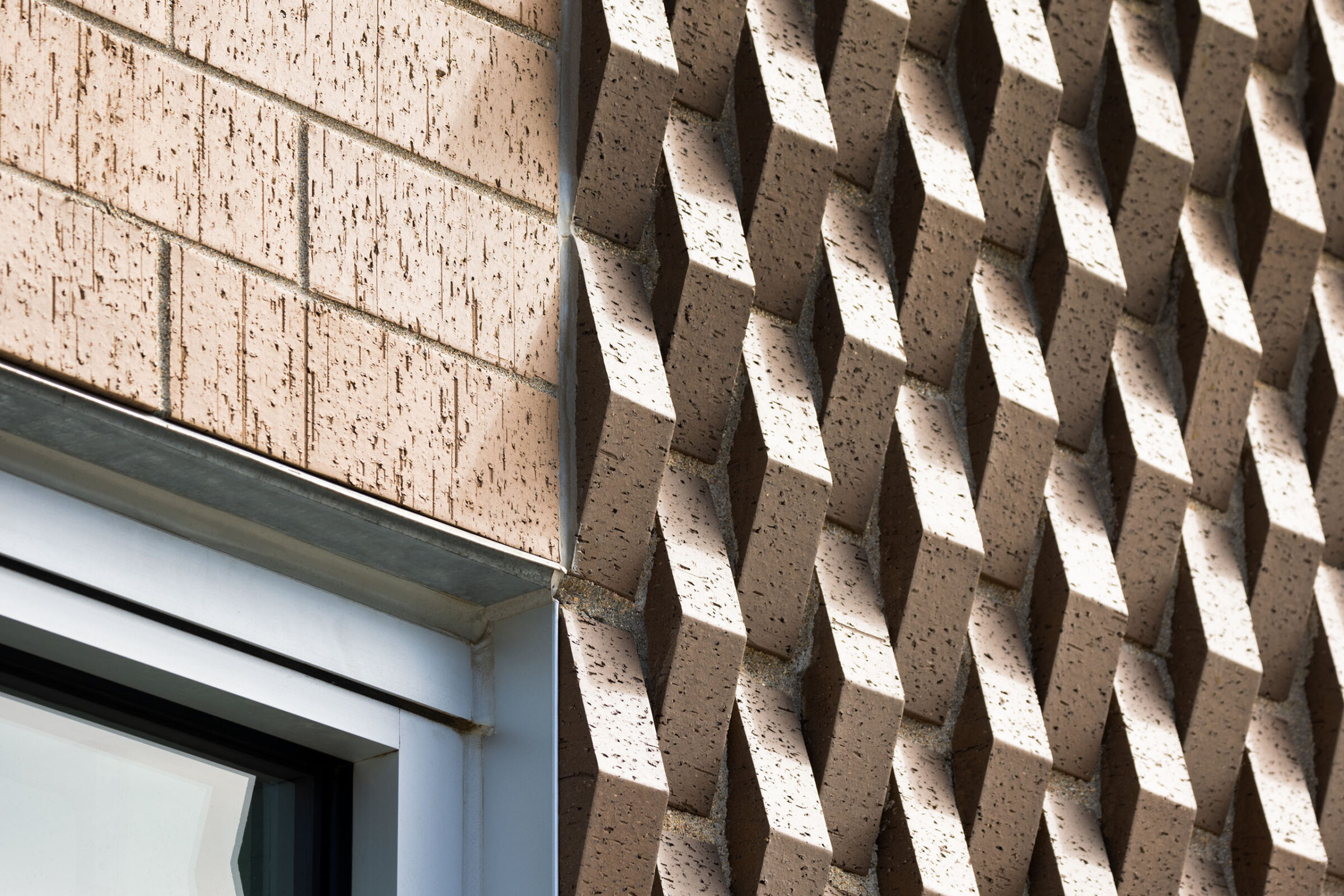
To celebrate the diversity of the student population, the design team developed a weaving-inspired design concept that honors both the community it serves and its commitment to S.T.E.A.M. education. The concept is carried through the intentional weaving of academic and artistic elements, and through weaving the school into the community. The weaving concept was born from Latin culture and their use of woven tapestries. The use of color, geometric designs, and shapes throughout the spaces also responds to Latin design.
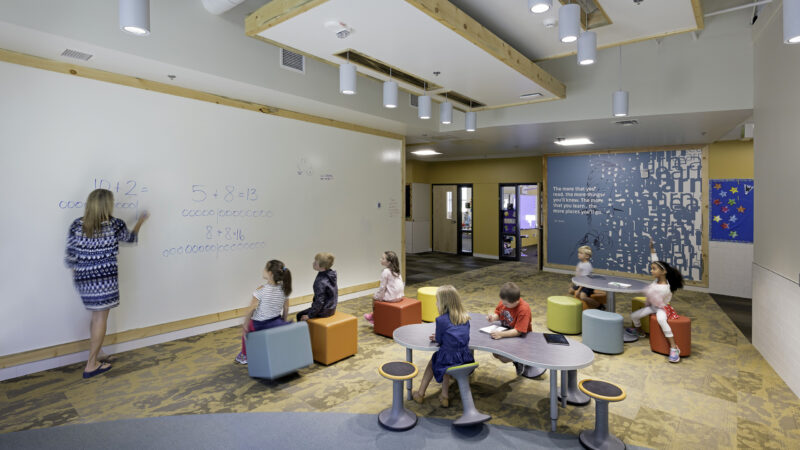
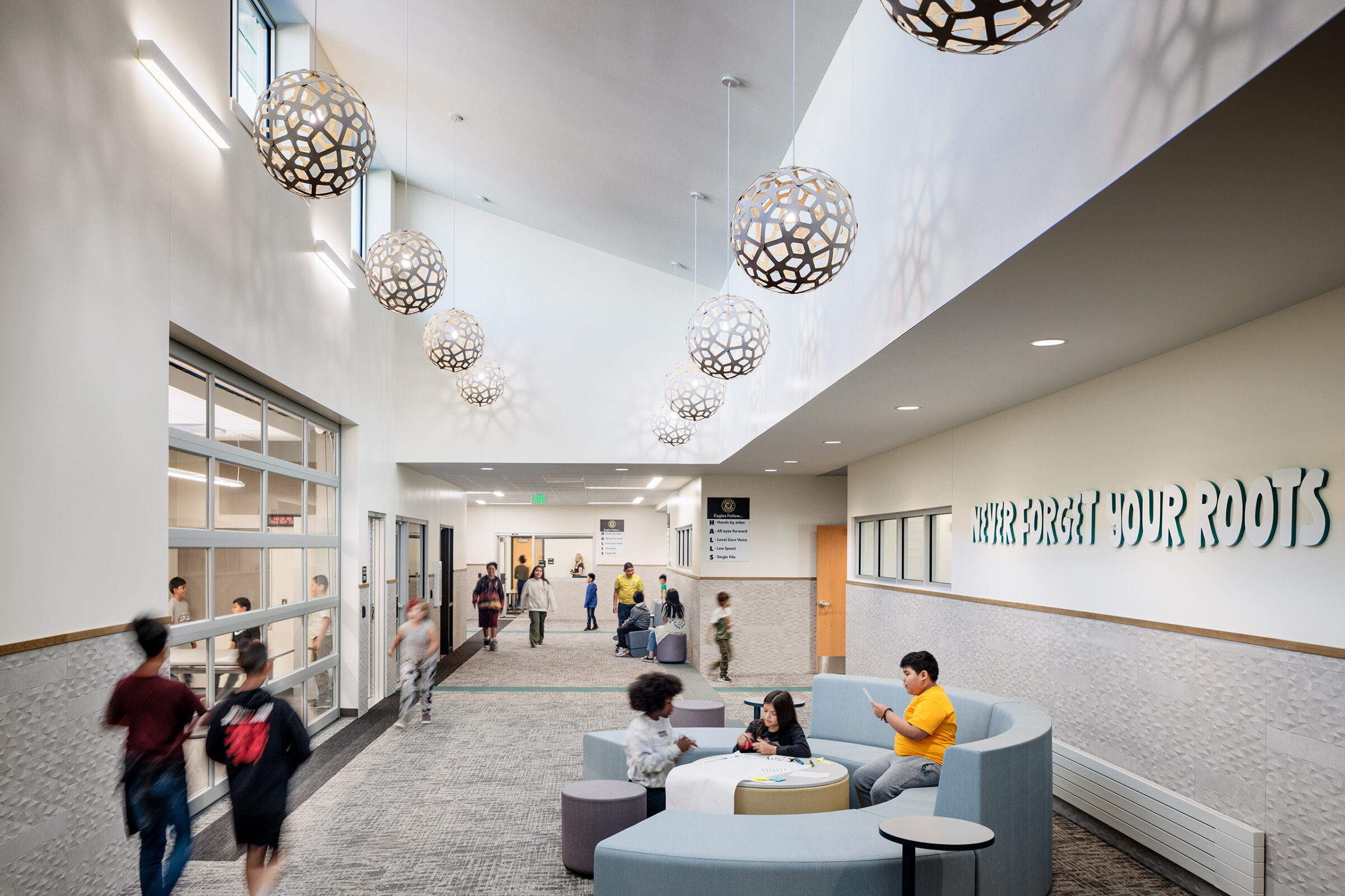
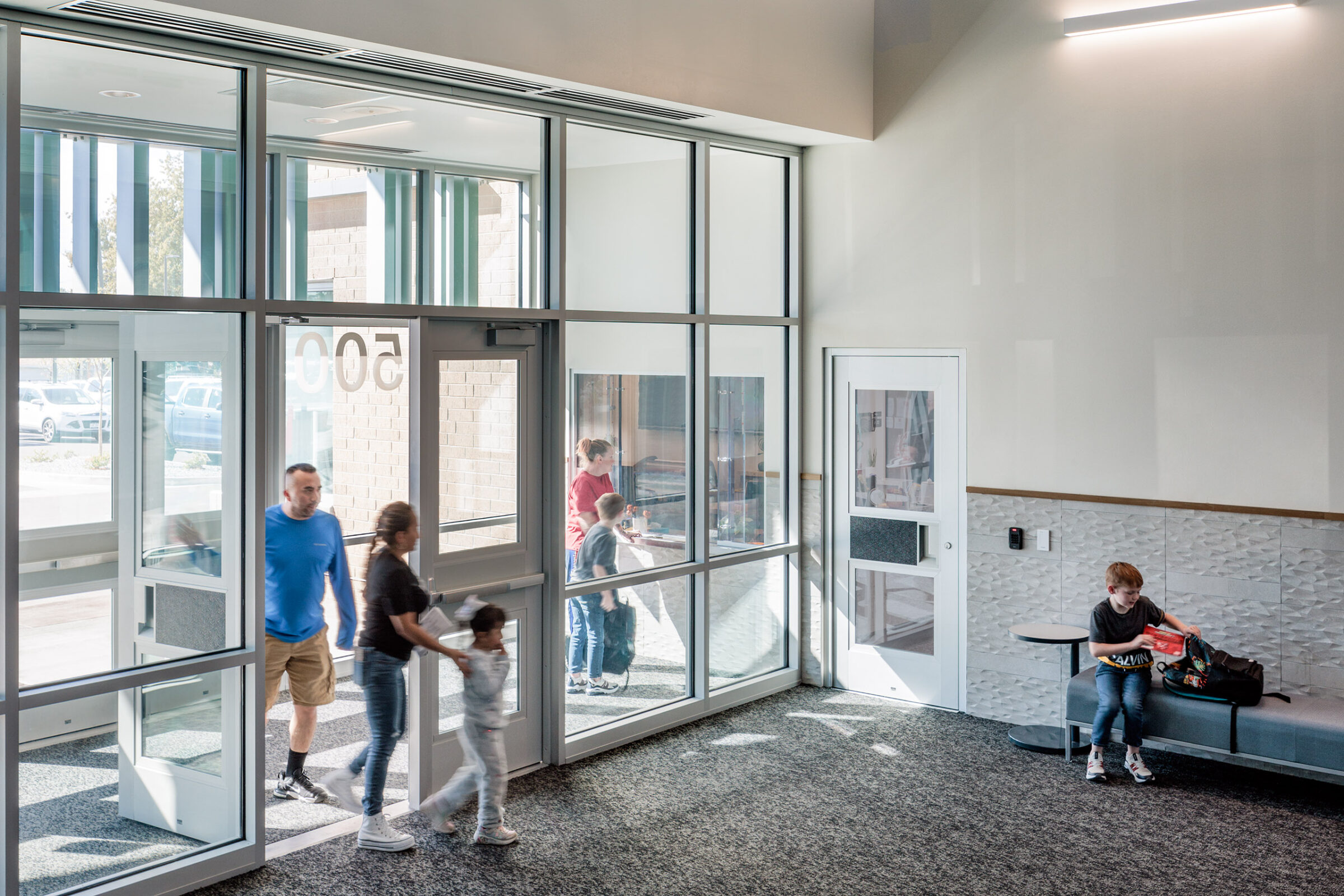
Durable materials and generous natural light support a sustainability mission. A clear, controlled main entry with exceptional sightlines to the surrounding streets and parking improves safety at Madison. The design of the school also recognizes the importance this academic and civic institution has for the community. Visitors and community users of the building are greeted with an open and spacious entry that connects all the community amenities at the heart of the school and campus.
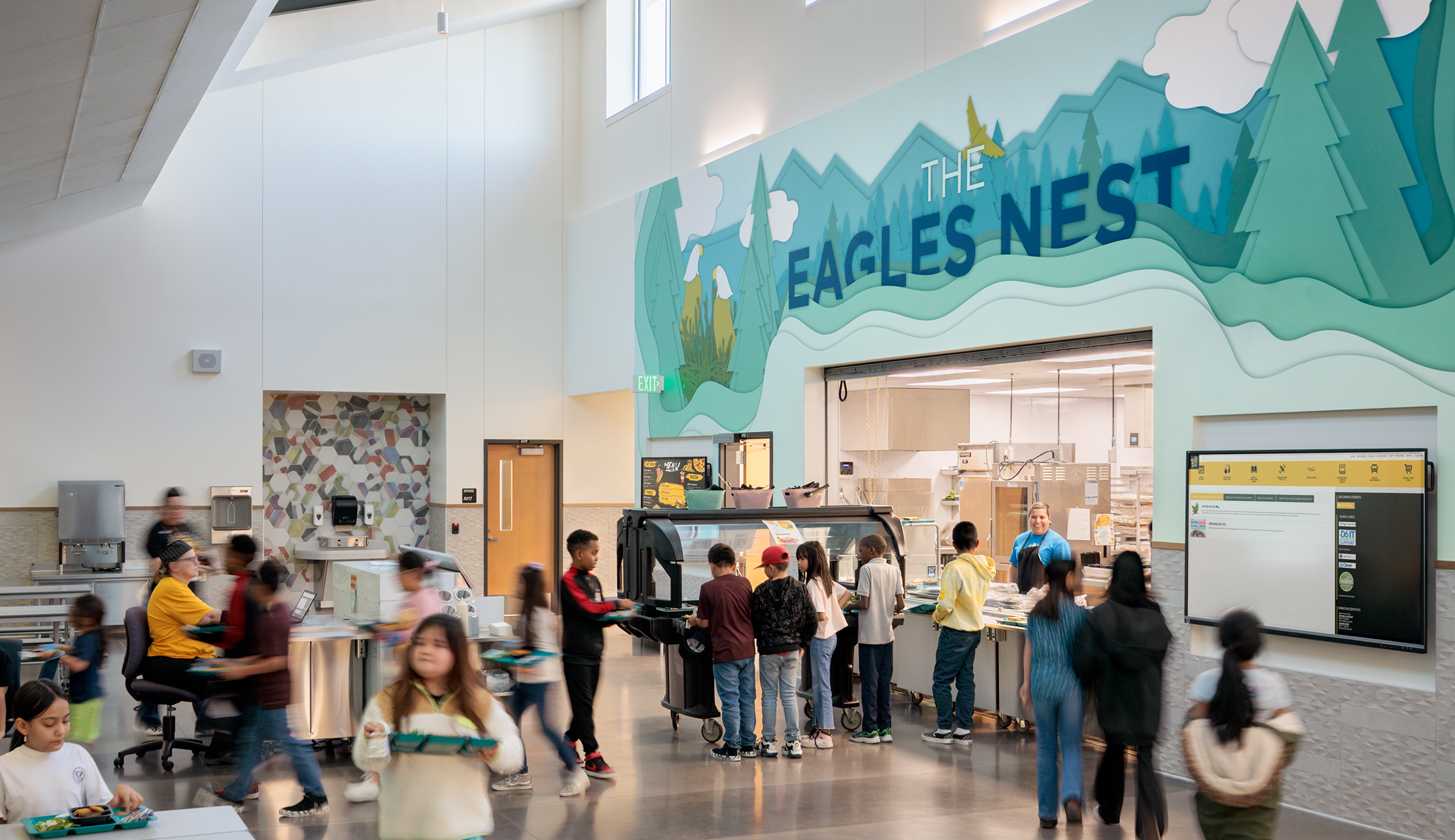
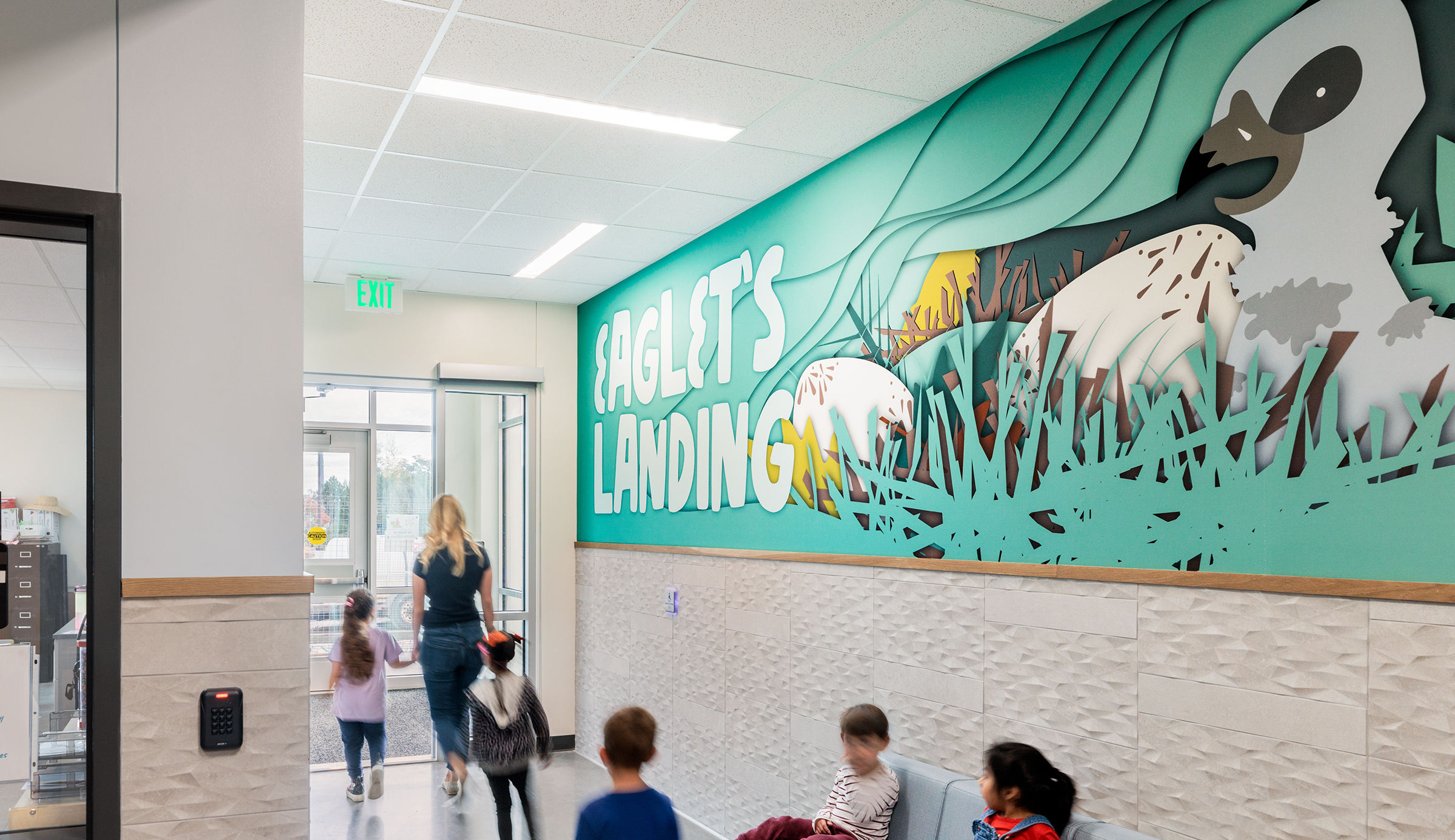
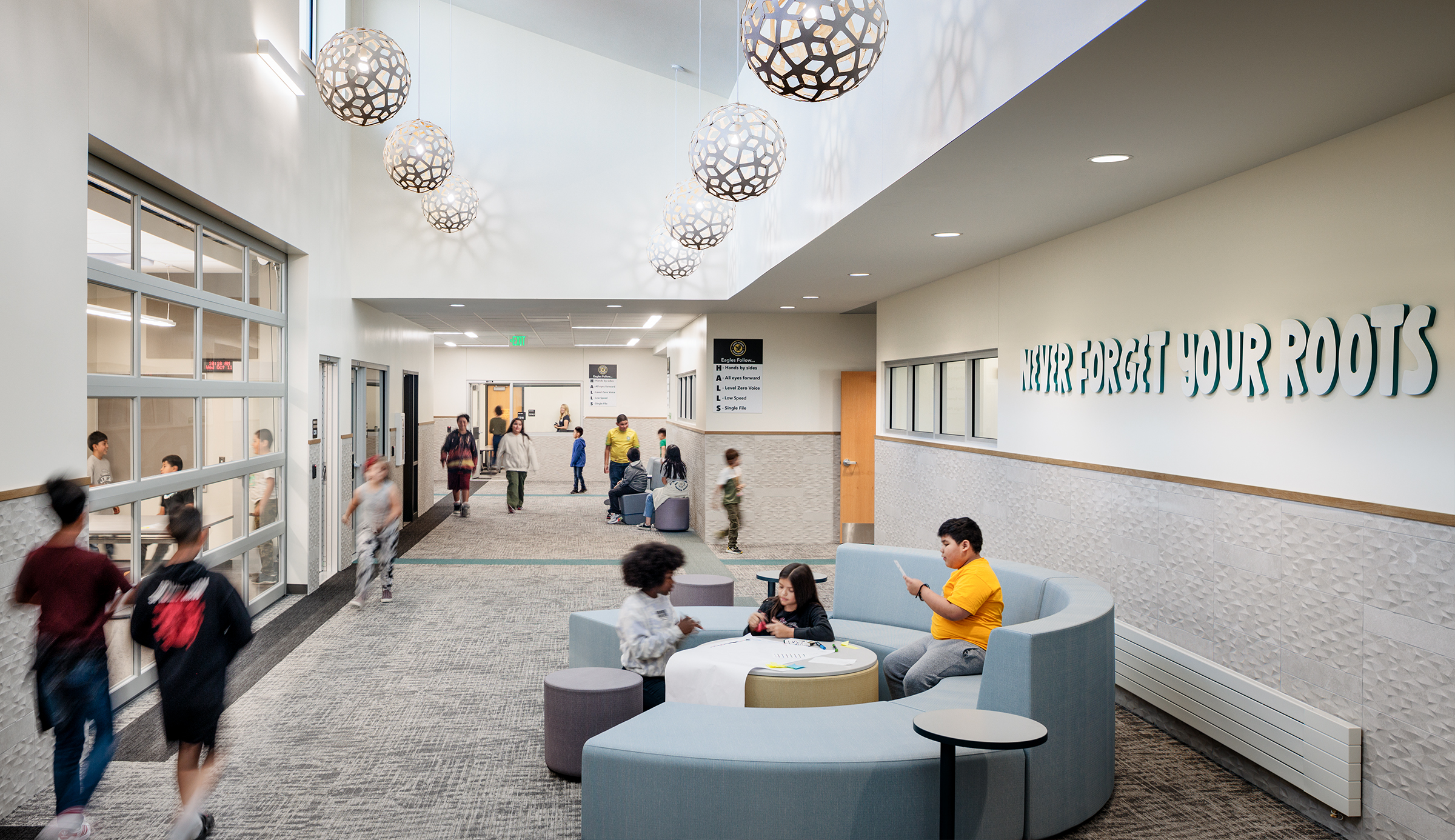
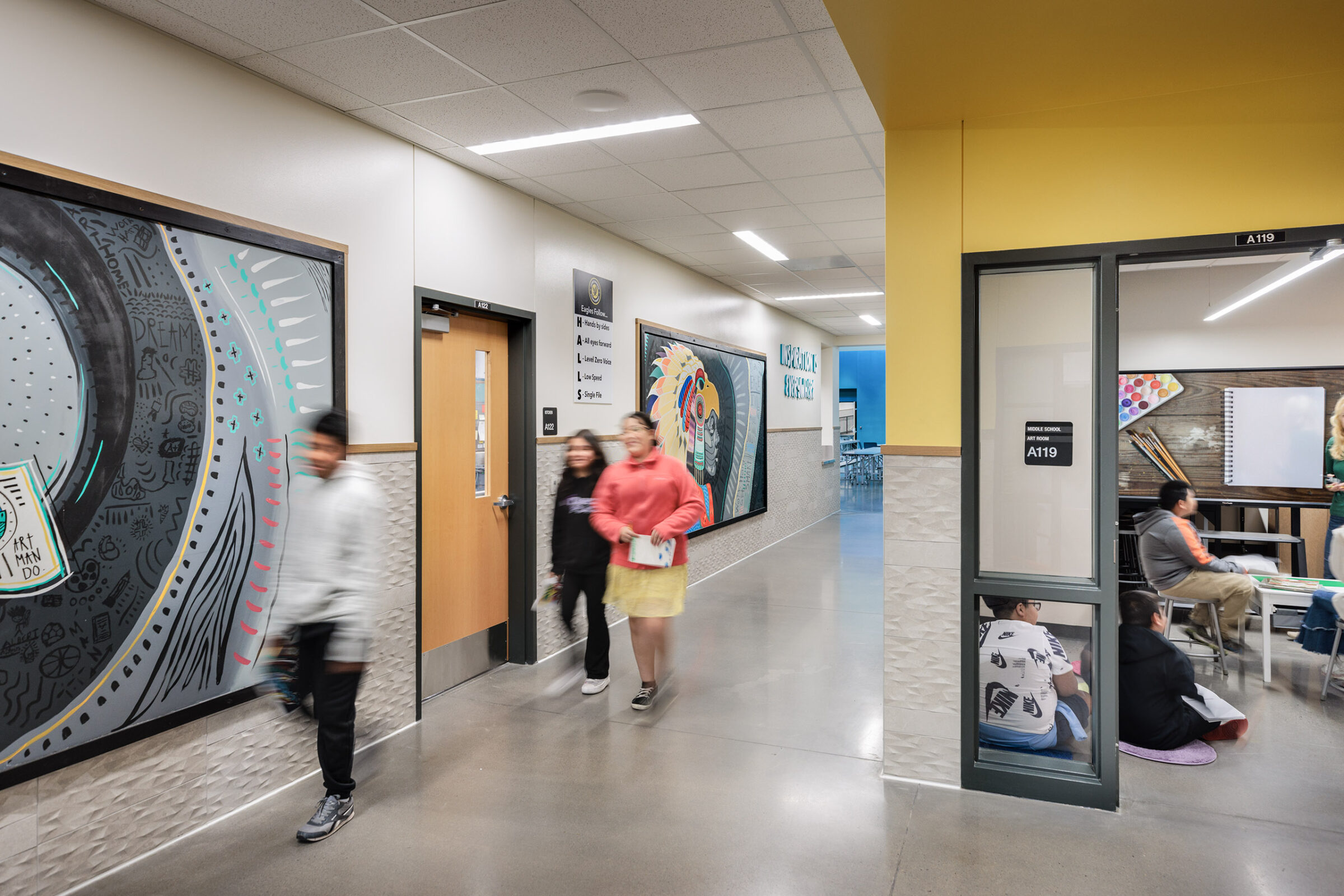
At James Madison Elementary, we incorporated the concept of ‘weaving’ to celebrate the diversity of the student population and honor the community it serves. This concept is reflected in the intentional blending of academic studies, art, STEM, and the school into the community. Inspired by Latin culture and its woven tapestries, the design concept of ‘weaving’ is thoughtfully assimilated into the themed graphics and linked to inspirational quotes within the school, which also serve to distinguish different grade levels.
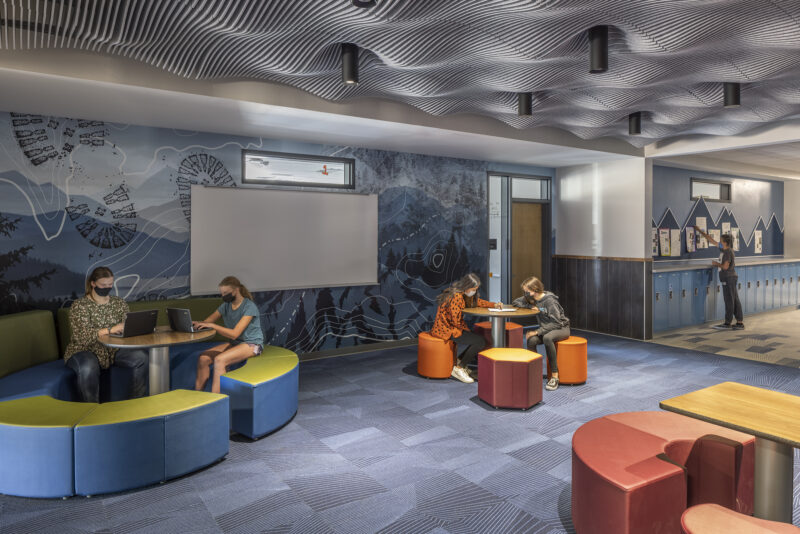
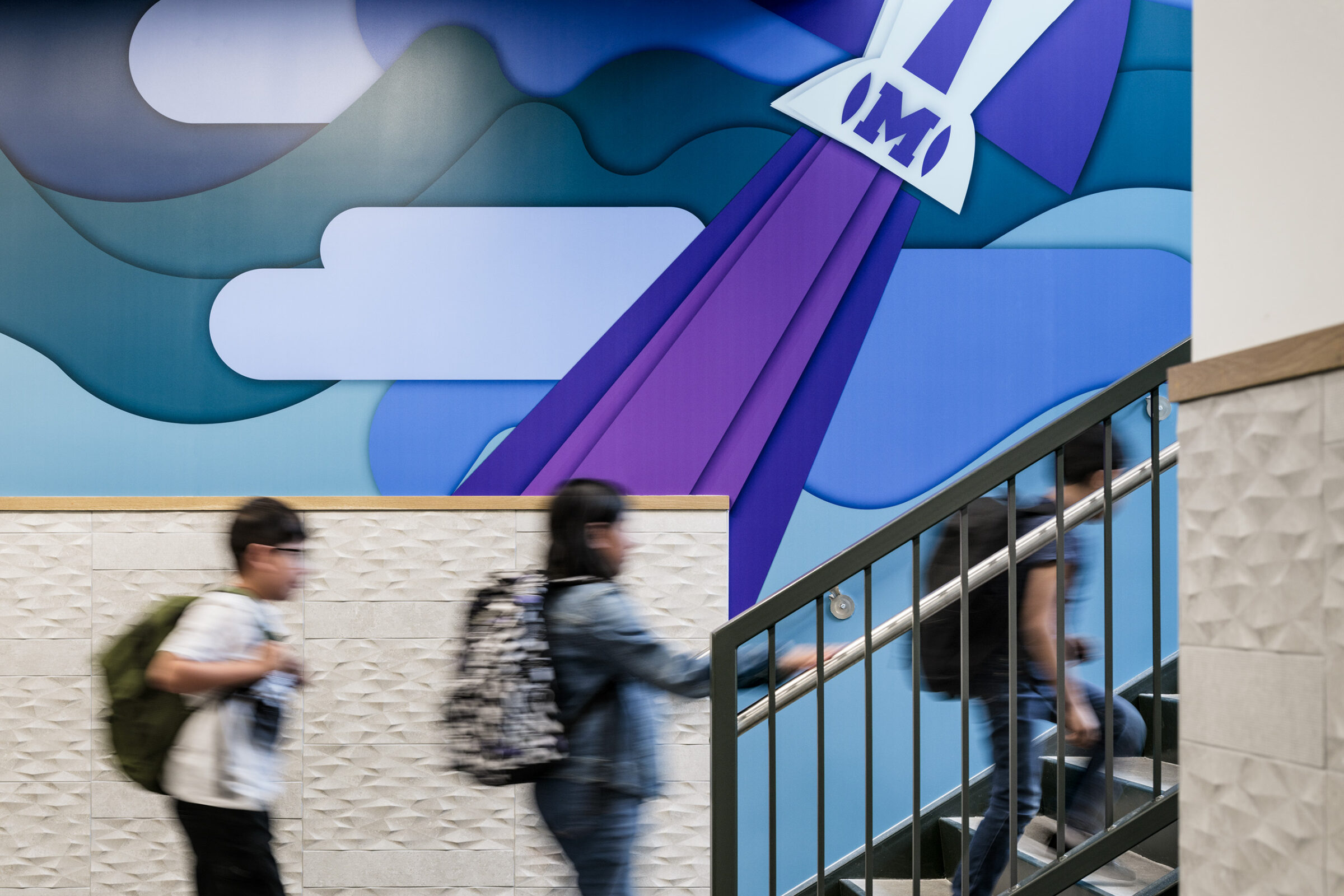
Large murals incorporate expressions of Latin elements built into the designs and use bright colors to reflect the culture and community. These design choices connect students to their heritage and embody the ‘weave’ concept by introducing layers and gradients of colors, symbolizing the deep, interconnected layers of past, present, and future generations.

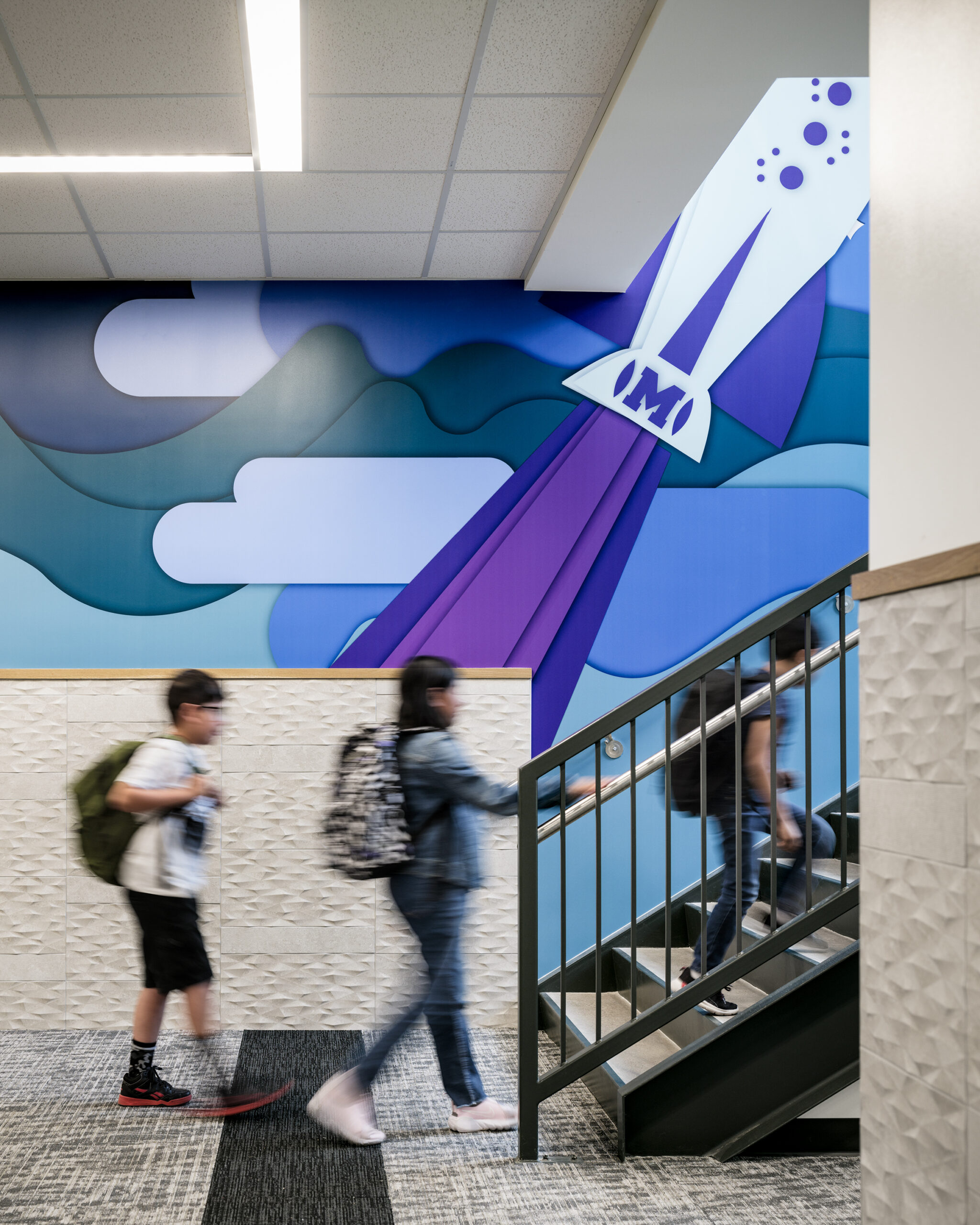


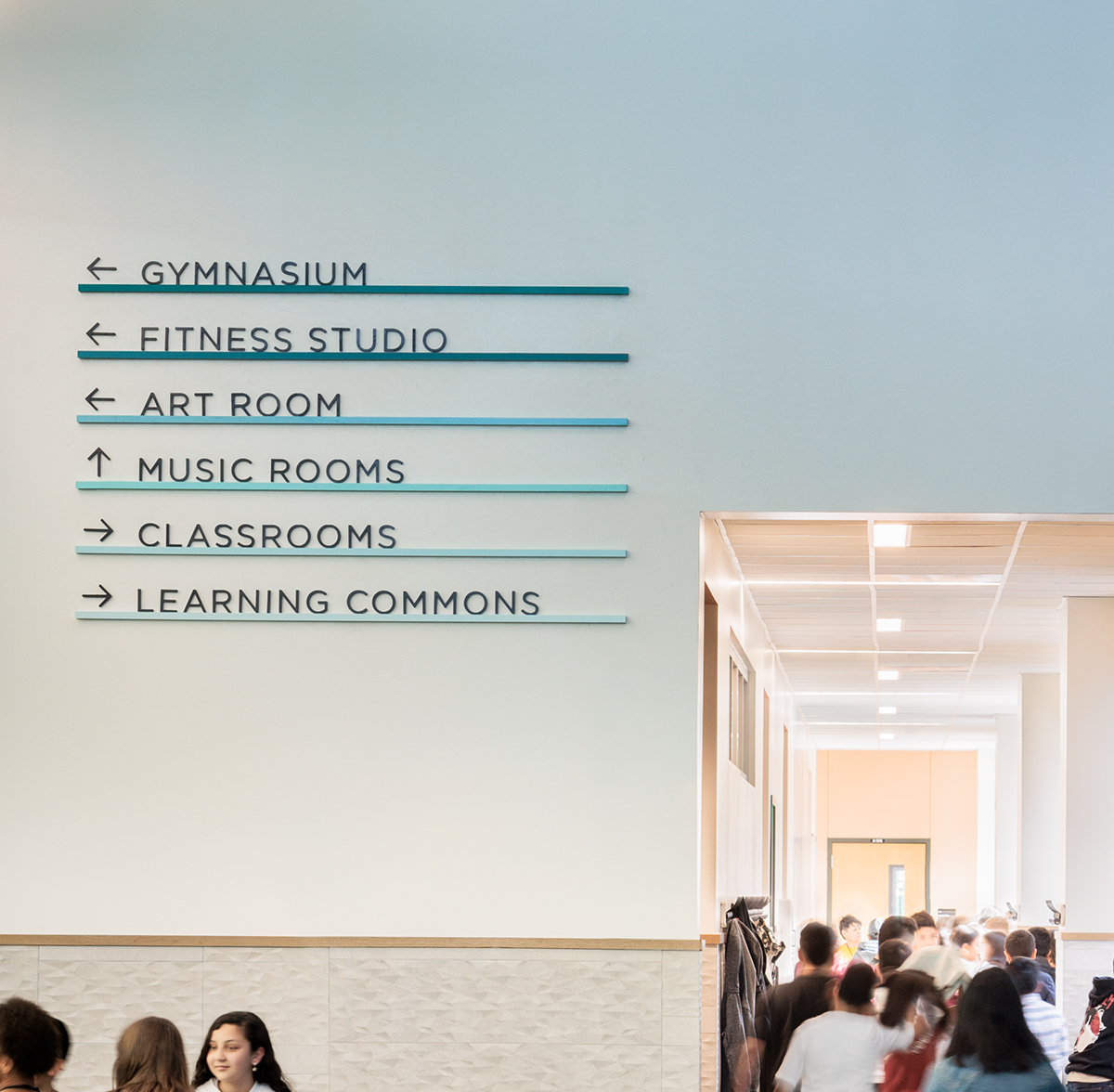
Exterior and wayfinding signage continues this theme, using gradient colors and layered designs to maintain a cohesive aesthetic that resonates with the interior design. This comprehensive approach ensures that the concept of ‘weaving’ is a central, unifying theme throughout the school’s environment.