Is the kiosk a thing of the past just as it has been fully embraced by most Health Systems?
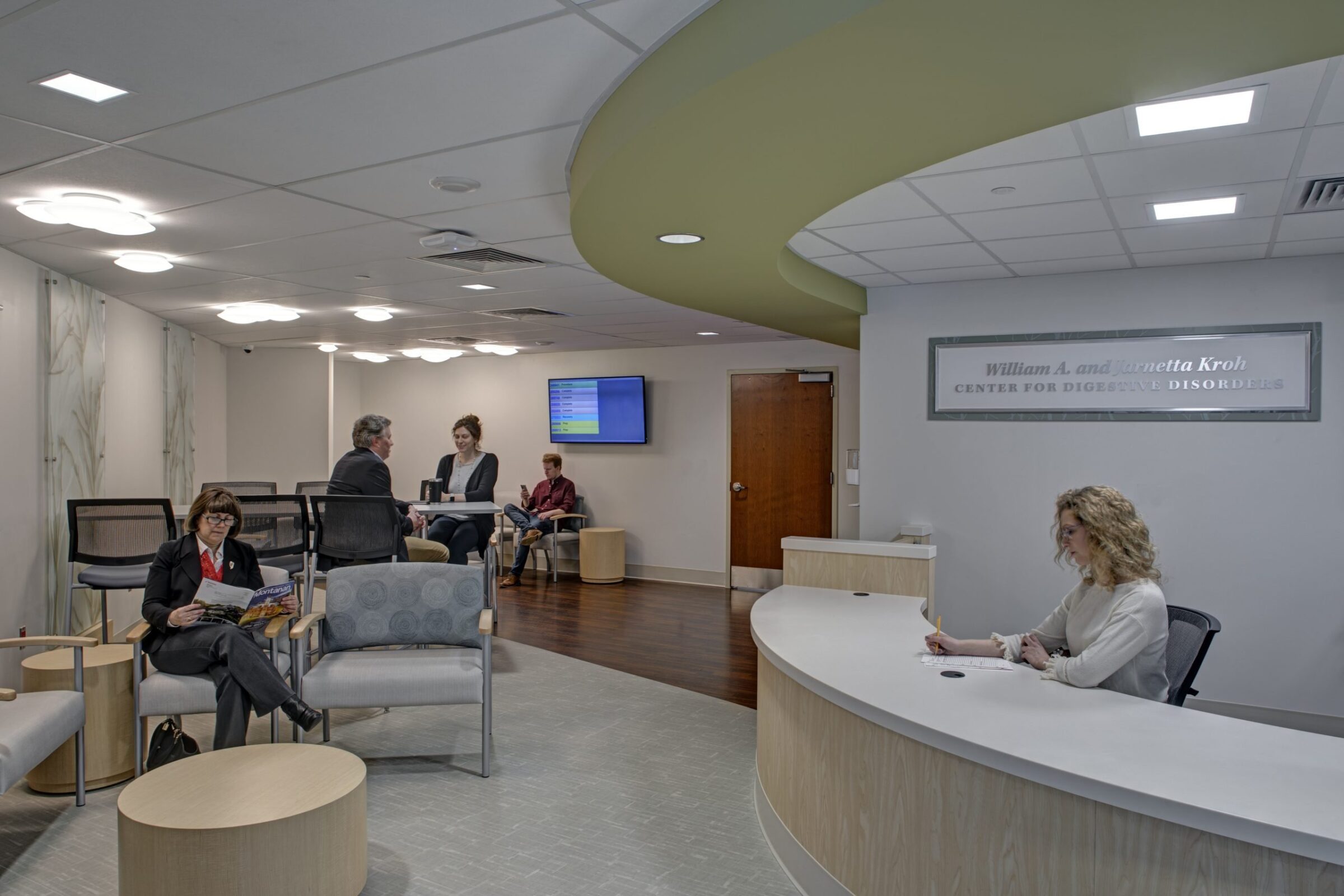
The kiosk will likely remain as the method of choice for check-in to limit face-to-face interaction but will include even more automation to limit time spent there as well as the number of touches needed. Health systems will also become more reliant on app-based programs to allow for a “tap and go” touchless check-in, while providing methods for less tech-savvy, or non-smart-phone-using patients to interact with staff directly. The kiosk will remain a key factor to reduce face-to-face contact for staff while still allowing patient choice and individual control.
Will the waiting room remain the same size but be furnished differently to provide social distancing?
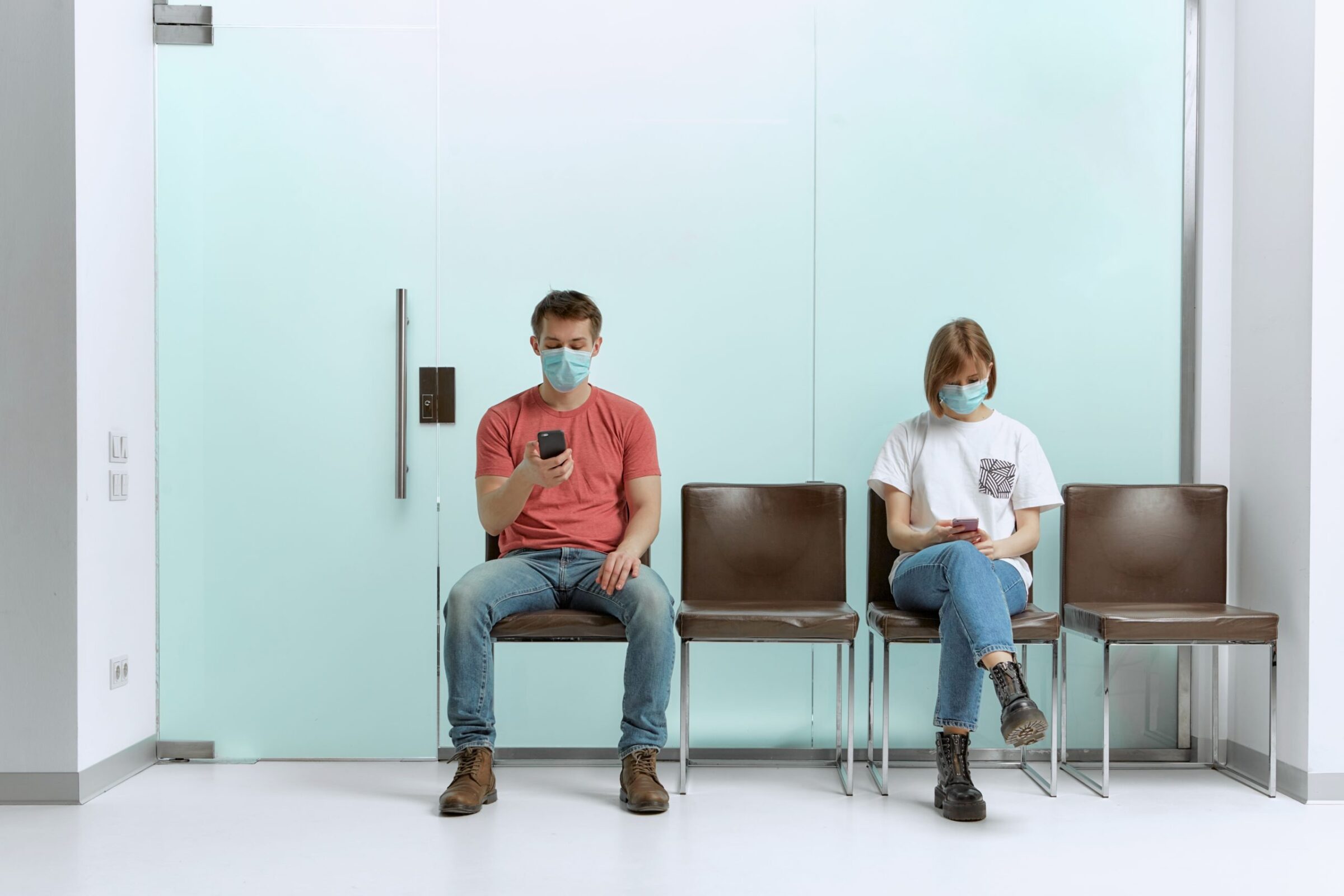
Waiting room capacity and size will still be dictated by the number of in-person visits a practice experiences. However, the large open waiting space is most likely a thing of the past. Waiting rooms should now be divided into smaller spaces, by either creating discrete separate waiting areas dispersed throughout the plan, or by providing physical dividers/barriers to create smaller seating clusters. Seat spacing should increase and the introduction of seating with higher backs and full height divided arms will also support spatial distancing.
These types of furniture solutions will be a critical tool in providing space for social distance. While some clinics and waiting rooms have created a full six feet between each seat, this may not be practical in clinical spaces that involve additional care givers/ family members as a part of the care protocol. Connected-style seats will give way to more clustered arrangements of single seats that can be positioned away from each other to accommodate groups of varying sizes. Circulation patterns and physical separation walls should also be reviewed for single direction flows to control how people get up and move around the space.
Will waiting rooms even exist beyond COVID-19 or will self-registration be the new normal?
The “waiting room-less” clinic has been a topic for years with a consistent response – with varying schedule times and the unpredictable nature of patient arrival (particularly the elderly, or those who rely on public transportation), providers will still need a place to help address exam room use and cleaning protocols. Staggered appointments and self-check-in via kiosk will reduce, but not eliminate this need.
Additionally, the increased use of telehealth in some clinics can reduce the need for waiting rooms, as can the continuing trend of self-rooming. However, family members will still need to be accommodated – and waiting rooms will need to adopt some of the creative design solutions discussed above to keep them as safe as possible.