Ideas
28th & Blake
Project
Ideas
They discuss how designing care spaces with empathy can help reduce patient stress and support healing, especially as cancer care expands beyond hospital walls.
Q: What are the biggest barriers patients face in accessing cancer care across different communities, and how can design help bridge those gaps?
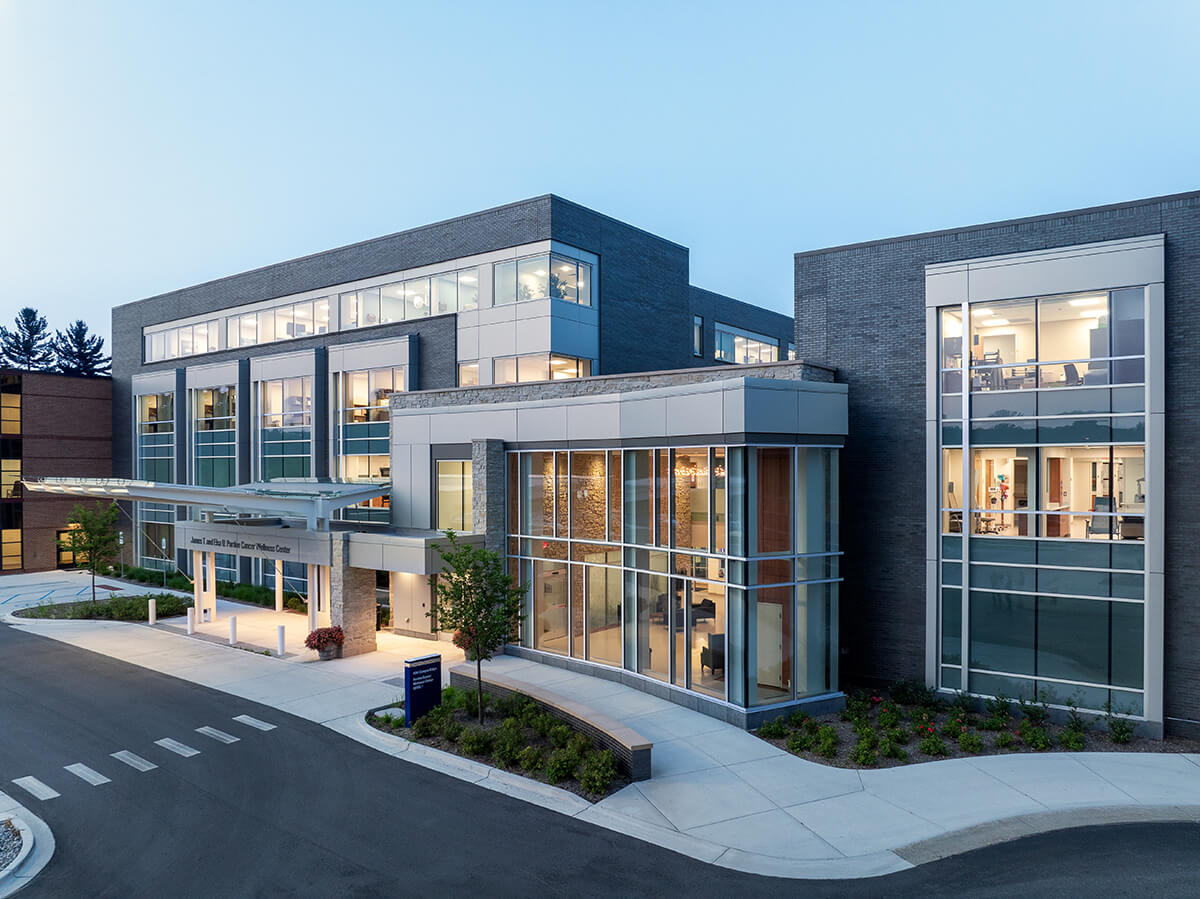
Access to cancer care is often shaped by where someone lives—many communities simply don’t have nearby facilities or reliable transportation options. Design can help close that gap by integrating cancer care into community settings and supporting a consistent continuum of care across multiple sites. Equally important is how those spaces welcome people once they arrive. The experience of care can influence whether patients return, complete treatment, or feel comfortable seeking help in the first place. By creating environments that are approachable, inclusive, and easy to navigate, design helps ensure that quality care is not only available—but truly accessible to everyone.
Q: How can design make cancer care facilities more inclusive and supportive for patients of all ages, cultural backgrounds, and physical abilities?
Inclusive cancer care begins with creating environments that feel welcoming to everyone who walks through the door. Spaces should be intuitive to navigate, with subtle cues in flooring, ceiling details, furniture placement, and artwork that guide movement without relying on complex signage. Equally important is cultural awareness—understanding that comfort, privacy, and even color are experienced differently across communities. When design acknowledges those nuances, it helps patients feel seen and respected rather than accommodated. True inclusivity goes beyond accessibility standards; it’s about creating places that reflect the diversity of the people they serve and support healing through familiarity, dignity, and belonging.
Q: In what ways can design support evolving models of cancer care, such as outpatient treatment centers, tele-oncology, or community-based infusion clinics?
As cancer care continues to move beyond the traditional hospital setting, design plays an essential role in supporting that change. Spaces are working harder than ever, often serving multiple purposes throughout the day. For example, exam rooms may flex to accommodate telehealth appointments. At the same time, operable partitions and shared work zones keep layouts adaptable as needs shift throughout the day and over time.
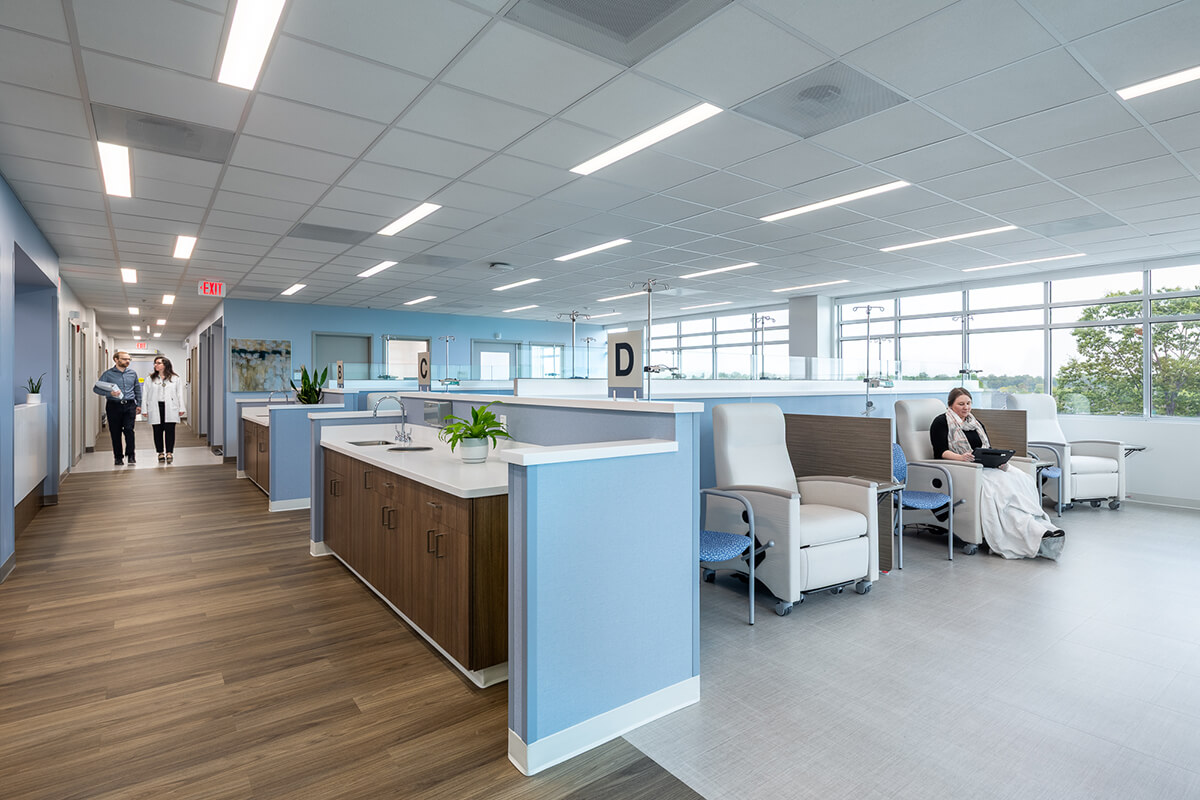
Infusion clinics present a unique challenge, requiring a balance between efficiency and comfort for patients who spend extended time in treatment. As these environments become more active and multifunctional, acoustics and lighting play a greater role in maintaining comfort and focus. The goal is to create places that balance adaptability with a sense of calm, allowing clinics to grow and change while remaining welcoming and supportive for both patients and staff.
Q: How can cancer care facilities be designed to reduce patient stress and foster healing—while also supporting families and caregivers?
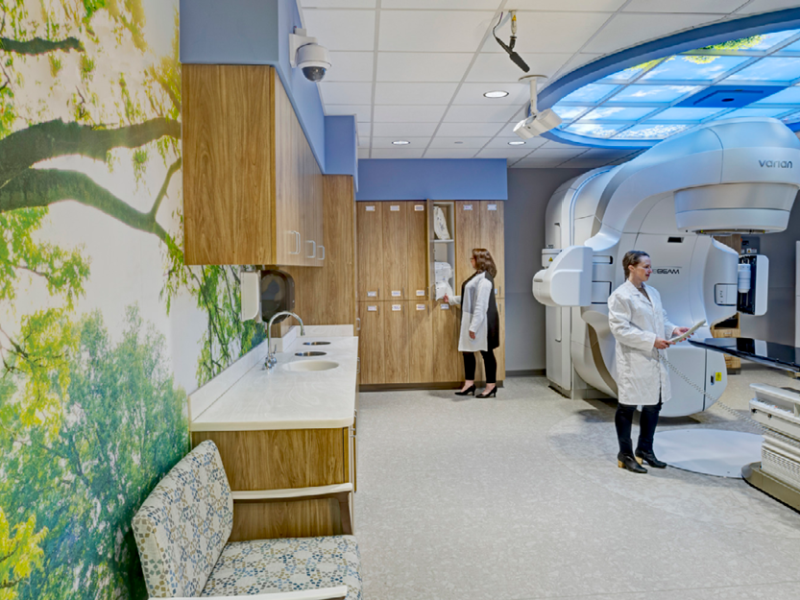
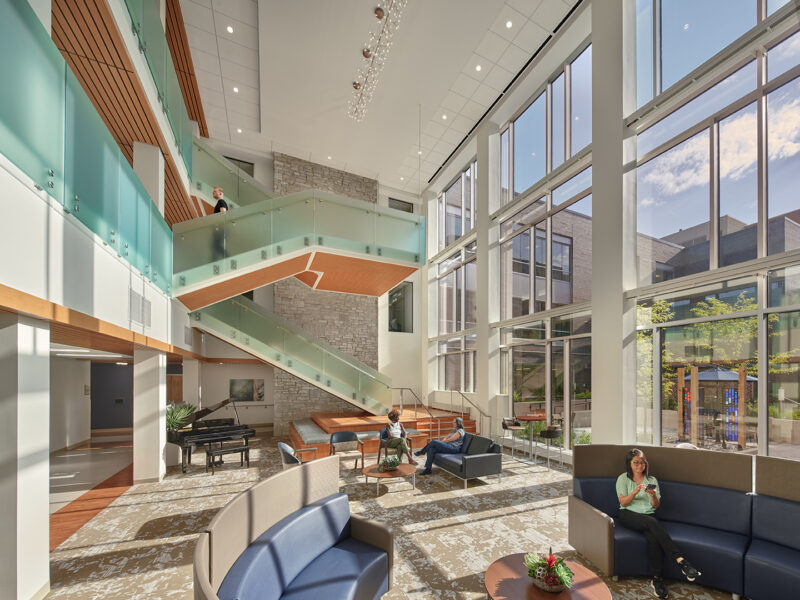
Healing begins with hope and the environments we create have the power to affect a patient’s treatment journey – from diagnosis through survivorship. Thoughtful design can bring a sense of calm and clarity to a time often filled with uncertainty. Natural light and warm, durable finishes create comfort, while clear organization and openness make each step feel more approachable. Spaces that support families and caregivers, including quiet rooms for reflection, nourishment stations, and areas for private conversations, help sustain them throughout the long days. When design balances functionality with empathy, it builds trust, connection, and a sense of stability for everyone involved in care.
Q: Looking ahead, what trends or innovations in healthcare design hold the most promise for making cancer care more accessible and equitable in all communities?
Cancer care continues to evolve beyond the walls of the hospital, and design plays a key role in supporting that shift. New technologies and treatment approaches make care more personalized and easier to reach. Virtual visits help connect patients to specialists, while smaller community clinics bring advanced care closer to home. As these models continue to evolve, design must keep pace—creating adaptable environments that can respond to new therapies, technologies, and patient needs. The future of accessibility lies not in building more facilities, but in creating smarter, more connected systems that make quality care possible in every community.
Part One: Bridging the Gap: Designing for the Full Cancer Journey
Part Two: Rural Healthcare Challenges: A Q&S with Elizabeth Johnson