Ideas
28th & Blake
Project
Ideas
At the same time, hospitals face space constraints and rising demand for advanced therapies that require highly specialized environments. These pressures are pushing health systems and their architects to rethink where and how care happens. The result is a shift away from a single, large hospital campus as the only solution, and adapting to provide what best fits the community: patient-centered model that brings high-quality treatment closer to home while maintaining safety, dignity, and support. This shift is being driven by several converging forces:
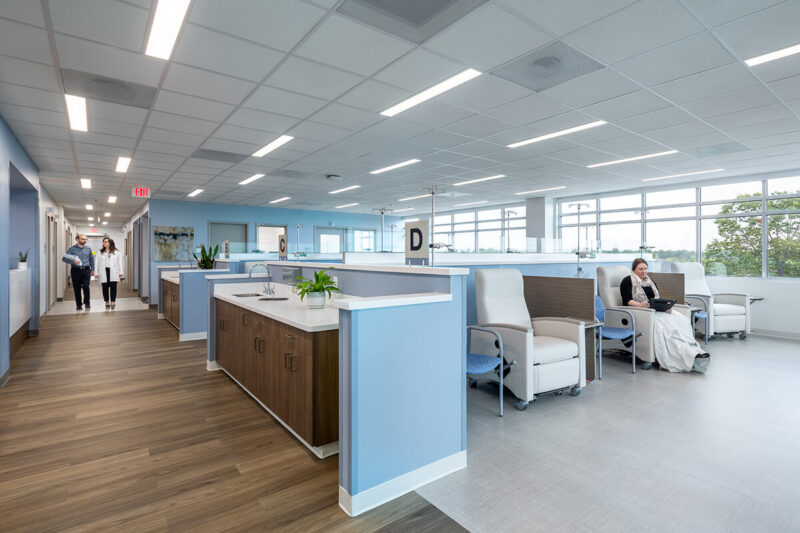
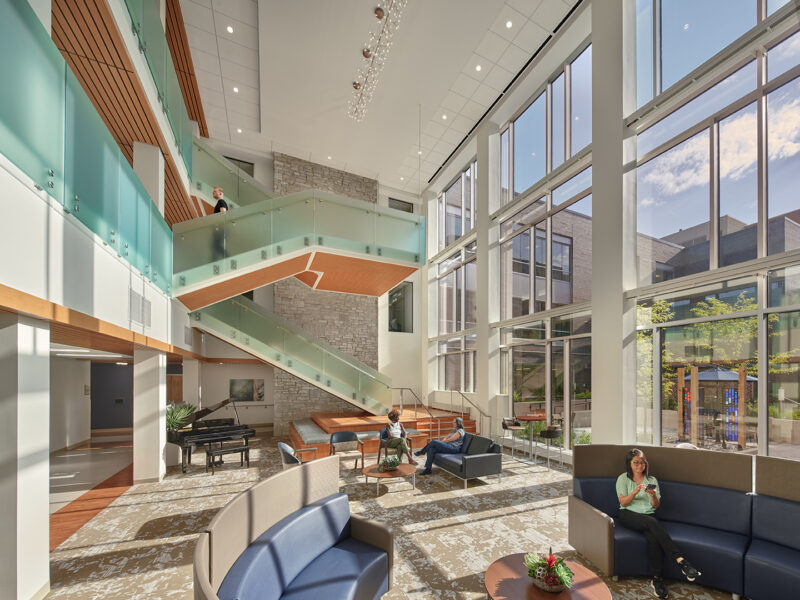
Beyond housing advanced equipment, thoughtfully designed spaces can ease anxiety, support families, and give clinicians the tools they need to deliver safe, complex treatments. Whether it’s infusion suites tailored for immunotherapy, wellness spaces for survivorship, or flexible layouts that adapt to future therapies, design choices directly shape the patient journey. By aligning infrastructure with human needs, facilities leaders and designers bridge the gap between clinical innovation and lived experience.
A “cancer center without walls” is not a single building; it’s a connected network of spaces, technologies, and processes that enable seamless care delivery. In practice, this could mean:
From a facilities perspective, designing these elements requires a shift from “flagship-first” thinking to a distributed, flexible care model that balances capacity, quality, and patient experience.
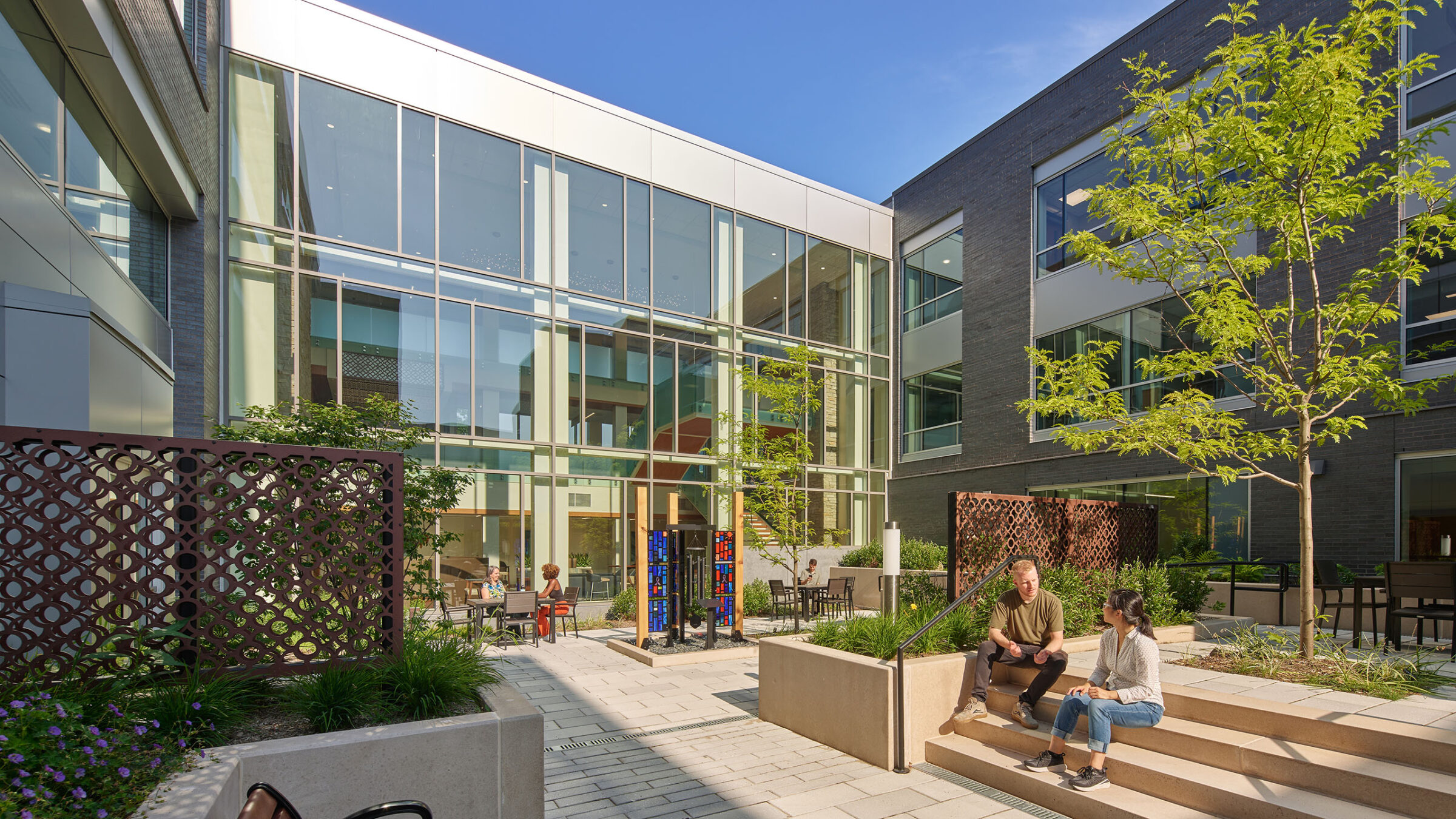
Care transition points are among the most critical and often overlooked steps in a patient journey. The moment a patient walks in for their first infusion can be intimidating. What if they could take a virtual tour, meet their care team online, and see their exact chair ahead of time? This level of familiarity reduces anxiety, builds trust, and sets the tone for treatment adherence. Facilities leaders can cultivate this culture by incorporating:
Cancer centers are only as strong as the teams that sustain them. Design must also consider staff well-being and efficiency:
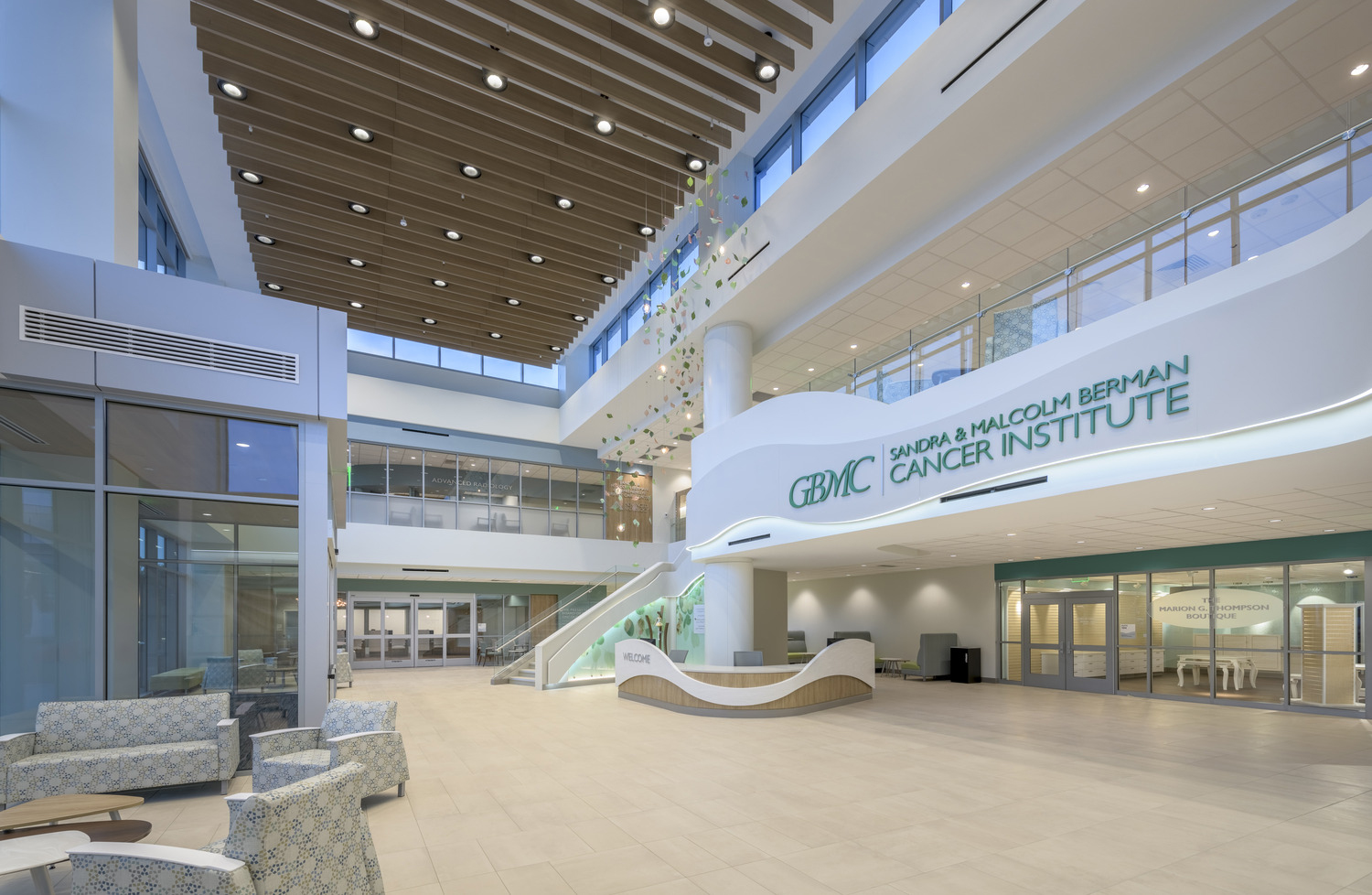
For architecture and planning professionals, the future of cancer care will be defined by flexible networks, human-centered transitions, and technology-enabled continuity. The goal is not to replace the flagship cancer center, but to extend its reach ensuring that every patient, regardless of zip code, receives comprehensive, connected, and compassionate care.
HCM is partnering with healthcare systems to reimagine cancer care delivery through evidence-based design, operational insight, and a deep commitment to patient and staff experience.
Part Two: Rural Healthcare Challenges: A Q&A with Elizabeth Johnson