Ideas
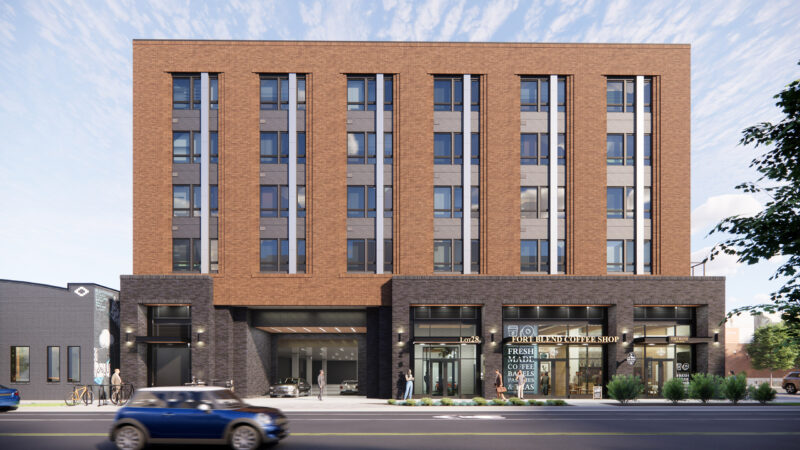
28th & Blake
Project
Ideas
In the first installment of our four-part Designing Spaces for the Anxious Generation series, we explore the cultural and developmental shifts shaping contemporary childhood, the neurobiological pathways through which those shifts affect student wellbeing, and the role architecture can play in response. This paper also introduces HCM’s Embodied Learning Environments (ELE) framework, a research-based approach for evaluating how physical space can support attention, competence, and belonging.
"*" indicates required fields